Painted steel doorMost domestic fridges
HoldsThe reference surface. 0.5 mm backing is enough; 0.75 mm is comfortable through a thick paint coat.
CUSTOM FRIDGE MAGNETS
A fridge magnet is the only product here that cannot work on its own. It depends entirely on a surface it does not own — someone else's kitchen door, a whiteboard, a shop rack. Get the surface wrong and nothing else in the specification matters.
The gap is the whole story. Every millimetre of paint, texture or grease between backing and steel costs pull — which is why we ask where it will live before we ask what it should look like.

I · SPECIFICATIONS
Magnet strength sits second for a reason. It is the only line here that can make a perfectly printed magnet useless.
II · SURFACE & GRIP
Whether it holds is decided by the wall, not the backing. This is the table we walk through before quoting — most magnet failures we see were a surface mismatch, not a manufacturing defect.
The reference surface. 0.5 mm backing is enough; 0.75 mm is comfortable through a thick paint coat.
Smooth and thin. Holds easily, but a domed face can slide — a flat back grips better here.
Zinc coating dims the pull slightly. Fine for 0.75 mm and up; marginal at 0.5 mm.
Austenitic stainless is effectively non-magnetic. No backing thickness fixes this — it needs an adhesive plate or a stand.
Not a magnetic surface at all. If the piece must live here, it becomes a display object, not a magnet.
Air gaps break the magnetic circuit. A domed wipeable face helps cleaning, but grip depends on flat contact.
Three grades in common use. Thicker is not automatically better — beyond what the surface needs, it only adds cost and weight.
Lightweight prints, flat rectangles, smallest sizes.
The default. Holds through paint and light texture.
Large or thick pieces; heavier metal-base magnets.
III · FOUR WAYS TO MAKE ONE
The artwork can be identical across all four. What changes is how the piece feels in the hand, how it survives a kitchen, and what it costs per unit — which is usually the real decision.
The volume route. Artwork prints directly onto a magnetic sheet, then the outline is die-cut. Cheapest per unit and the fastest to produce, because the magnet and the print are the same piece of material.
A thin steel or zinc body carries the print and the magnet sits behind it. The extra mass changes how the object feels in the hand — which is what separates a souvenir from a flyer at the same price point.
A resin dome is applied over a flat print. It lifts colour saturation, adds a tactile edge and protects the print from kitchen grease — but it softens fine type, so it is the wrong choice for small print.
The face is cast or moulded rather than printed, giving genuine three-dimensional relief. The most expensive route and the only one that reads like a small sculpture — used for premium souvenir and character ranges.
IV · PRINT & PROTECTION
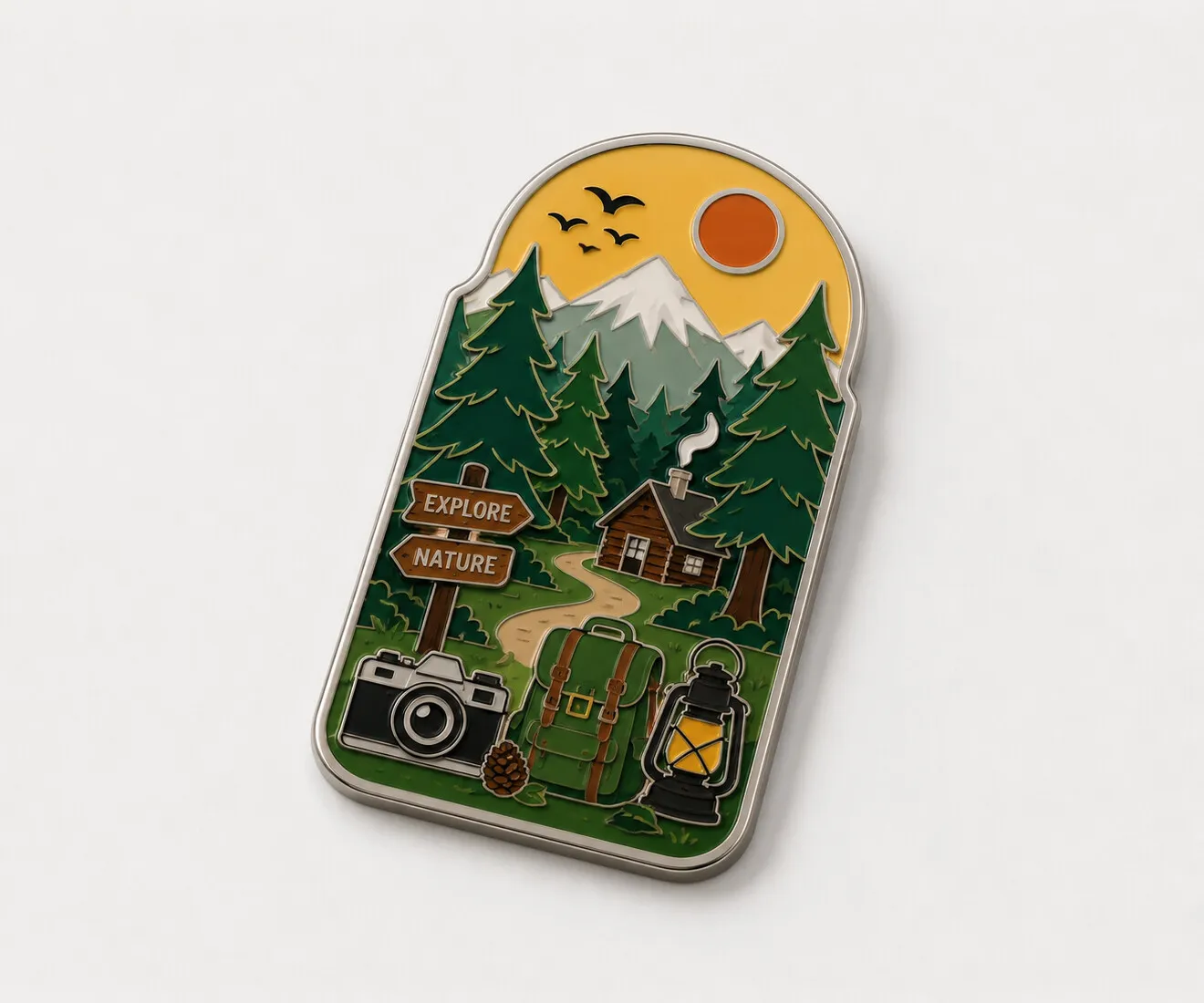
This is the one category where the artwork is printed in full colour rather than built from metal cells. Nothing needs simplifying — which changes what can go wrong.
 01
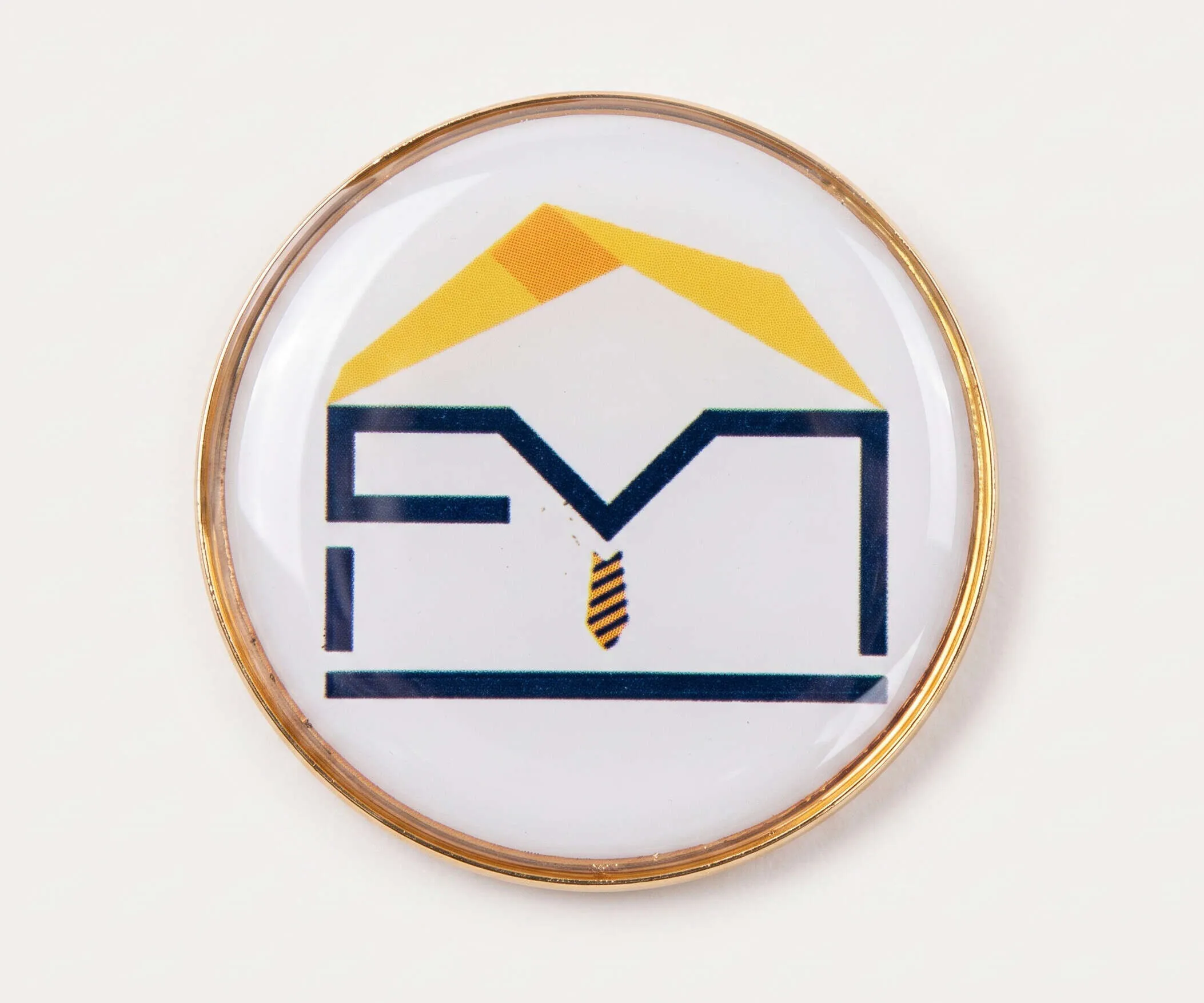
Unlike enamel pins or challenge coins, nothing here is built from metal cells. Every colour, gradient and photograph arrives in one printing pass — which means the artwork does not need simplifying, and the failure modes are registration and dot gain rather than fill and polish.
Fine lines below about 0.3 mm still need checking at sample stage.
 02
Not the magnet. Ferrite loses a fraction of its pull over years, not months. What fails first is the print — kitchen grease, sunlight and repeated wiping. The epoxy dome exists to solve a wear problem, not a decorative one.
Dome for kitchens and souvenir retail; flat lamination for text-heavy corporate work.
Both reach full colour. The difference is whether the sheet is printed separately and laminated, or printed directly — which is a question of run length and how sharp the fine detail must stay.
The best colour fidelity for large runs. Gradients, photography and fine mapping all hold. Requires a separate print run before lamination, so it adds a few days but lowers unit cost at volume.
Prints straight onto the sheet or metal base, skipping the separate print stage. Marginally less smooth in gradients than offset, but far faster for short and mixed runs.
A magnet sold on a rack spends its whole retail life on a printed card. The card carries the hang hole, the brand copy, the barcode and the price — and it is often the only part of the range a shopper actually reads. We print and pack it in-house so the magnet and the card are approved together, not separately.
V · APPLICATIONS
The magnet's advantage is placement — it lives at eye level in a room people pass through every day, and it stays for years.
Destination series for airport, museum and gift shops. Sold on a rack, so the backing card matters as much as the magnet.
Collectible series and character shapes where a whole range has to read as one family on a shelf.
Tradeshow giveaways and conference welcome gifts that survive the trip home and the following year.
Campus maps, graduation sets and parent-community giveaways — text-heavy work where flat lamination beats a dome.
Fixture lists, fundraiser sets and supporter keepsakes that stay up for the whole season.
Whiteboard magnets and branded desk items for internal programs and client gifts.
VI · PRODUCTION & QC
Six stages, with an extra check most categories do not need — every batch is pull-tested, not just visually inspected.
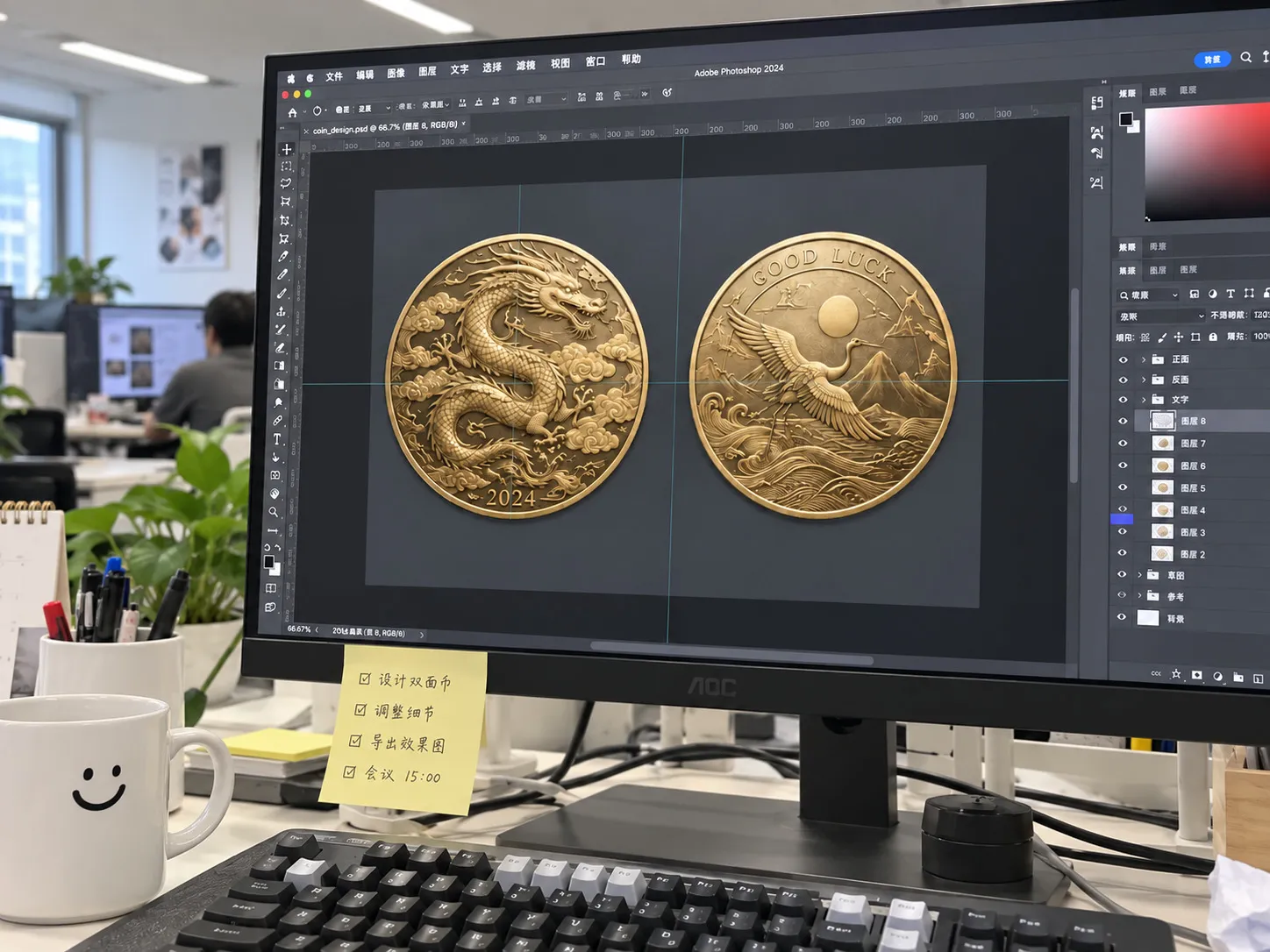
We review your artwork, dimensions, details, colors, and finishing requirements.
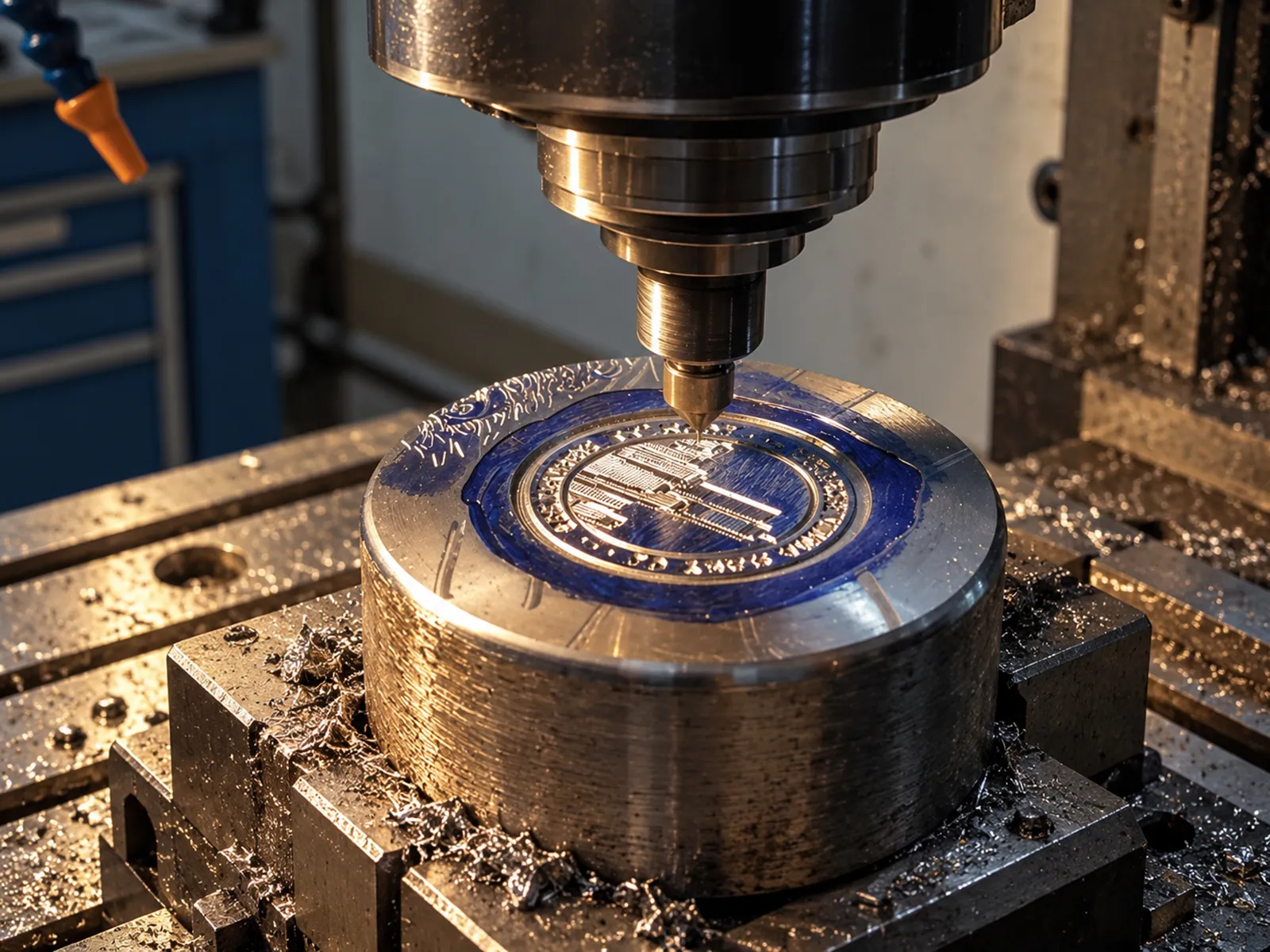
A custom mold is created from the approved design.
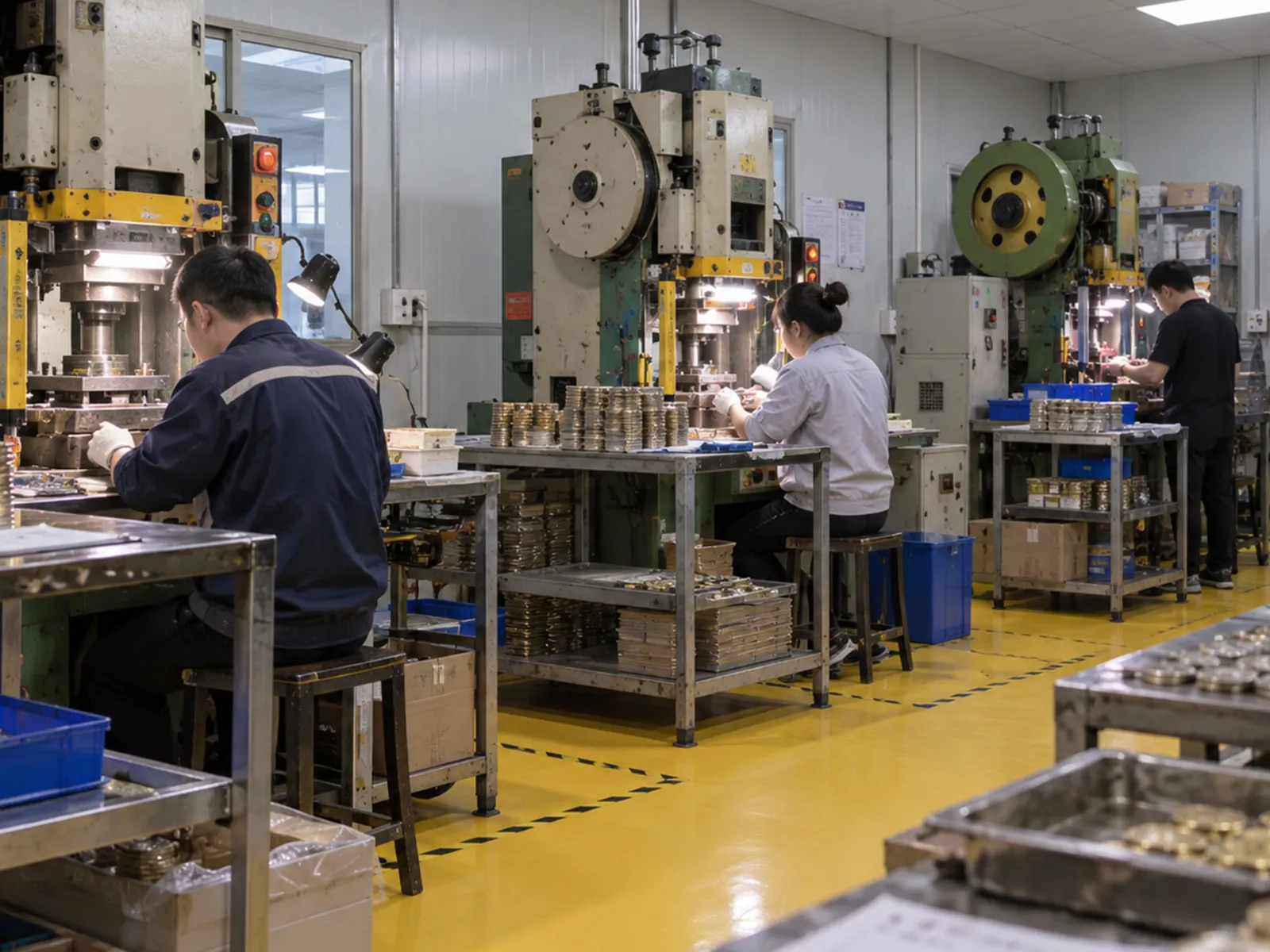
Die-casting or stamping creates the metal body and relief details.

The product receives the selected gold, silver, bronze, antique, or other metal finish.

Enamel, printing, polishing, final detailing, and quality checks are completed.

Finished products are packed according to project requirements and prepared for shipment.
VII · FAQ
Still unsure? Tell us where the magnet will live — fridge, whiteboard or shop rack — and we will specify the backing and finish accordingly.
On painted steel doors, yes — that is the reference surface and 0.5 mm backing is enough. The exception is 304 stainless steel, which is used on many premium appliances and is effectively non-magnetic. No backing thickness will fix that, so if the recipient's kitchen is unknown, plan for a metal-base magnet plus an adhesive plate.
A fridge magnet held against it is the only reliable test. Appliance spec sheets often do not state steel grade, and the terms 'stainless steel finish' and 'stainless steel body' mean different things. Ask for a photo of a magnet stuck to the actual door rather than relying on the model name.
Barely. A ferrite backing loses a small fraction of its pull over years, not months, and the loss is not measurable in normal use. What actually makes a magnet fall off is an uneven, textured or greasy surface creating an air gap — which is why flat contact matters more than thickness.
Dome for kitchens and souvenir retail: glossier, wipeable, better perceived value. Flat lamination for text-heavy corporate and whiteboard work, because the dome visibly softens small type and fine line work. If the artwork contains a lot of copy, the dome is the wrong choice.
500 pieces per design. Magnets print on shared sheets, so mixed designs can normally be combined in one run and the per-unit cost drops quickly above 1,000 pieces.
Because the artwork is printed rather than enamel-filled, gradients, photographs, maps and small type all reproduce well — far more detail than enamel can hold in the same area. Fine lines under roughly 0.3 mm should still be confirmed at sample stage.
Yes. Printed backing cards, blister packs with hang holes, and magnetic display boards are all available, and we can print the card artwork and pack in-house before shipment.
Sampling runs 5–7 working days after artwork approval. Production of 500–5,000 pieces normally takes 10–15 working days depending on print process and finishing.
INQUIRY
Send your artwork, quantity, size and deadline. We usually reply within 1 hour.
Have a project in mind? We usually reply within 1 hour on working days.